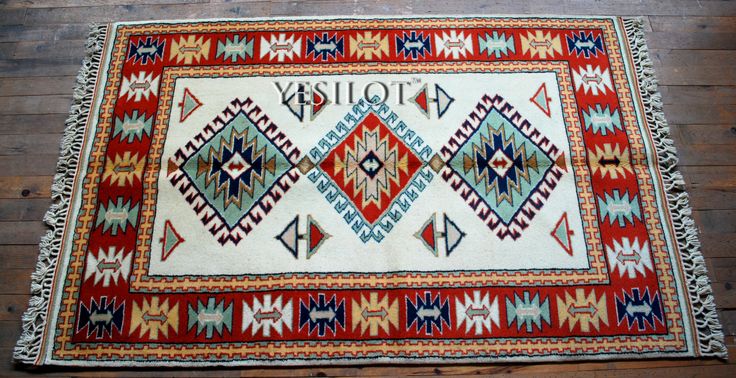
There is an unmatched elegance in a handwoven carpet—a piece of art that holds centuries of culture, history, and skilled labor within every single knot. These carpets are more than just floor coverings; they are legacies passed down through generations, embodying the soul of the artisan and the spirit of the region they come from. In this deep dive, we explore the magical world of handwoven carpets, the techniques that bring them to life, and why this craftsmanship remains timeless in an age of mass production.
A Heritage of Craftsmanship
The story of handwoven carpets spans continents and millennia. From the ancient weaving traditions of Persia and Turkey to the vibrant looms of India, Morocco, and Central Asia, each region adds a distinct flavor to its carpets. What unites them all is the dedication to craft—a slow, deliberate process that transforms raw materials into masterpieces.
The earliest handwoven carpets date back thousands of years, with archaeological finds like the Pazyryk Carpet (circa 5th century BCE) demonstrating the sophistication of early weaving techniques. These artifacts are more than historical treasures; they are proof of the enduring appeal and resilience of handwoven art.
The Loom and the Knot
At the heart of every handwoven carpet is the loom—a wooden frame that holds the foundation (warp and weft) upon which the design takes shape. The magic, however, lies in the knots. There are two primary types of knots used: the Persian (Senneh) knot and the Turkish (Ghiordes) knot.
The Persian knot is asymmetrical and allows for more detailed, curvilinear patterns, making it ideal for intricate floral and pictorial designs. The Turkish knot is symmetrical, resulting in a more durable, bulkier weave, perfect for bold geometric patterns. Each knot is tied by hand, row after row, building the design with meditative precision.
Materials Matter
A carpet’s texture, durability, and appearance depend heavily on the materials used. Wool is the most common, prized for its softness and resilience. Silk, on the other hand, adds a luxurious sheen and is often used for high-end or decorative pieces. Cotton is frequently used in the foundation to provide structural strength.
Natural dyes derived from plants, minerals, and insects are traditionally used to achieve vibrant, long-lasting colors. Indigo for blue, madder root for red, pomegranate rind for yellow—these age-old recipes contribute to the carpet’s unique charm. While synthetic dyes have become more common, many artisans and collectors still prefer the subtle, uneven tones of natural dyes.
Design as Storytelling
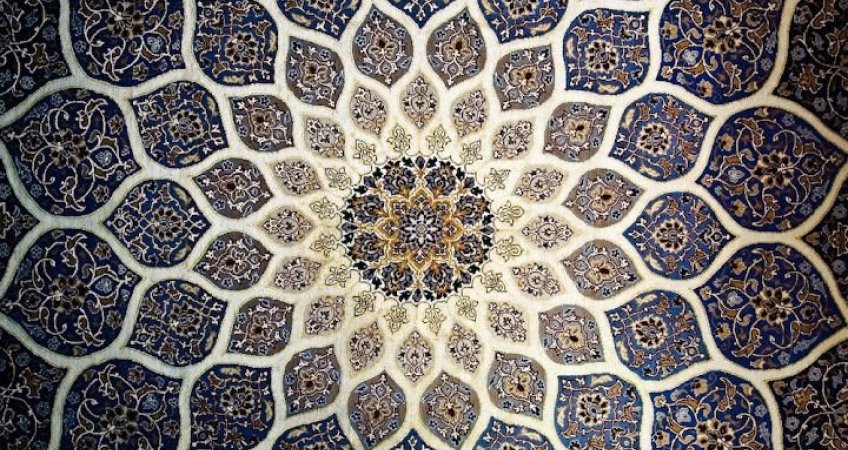
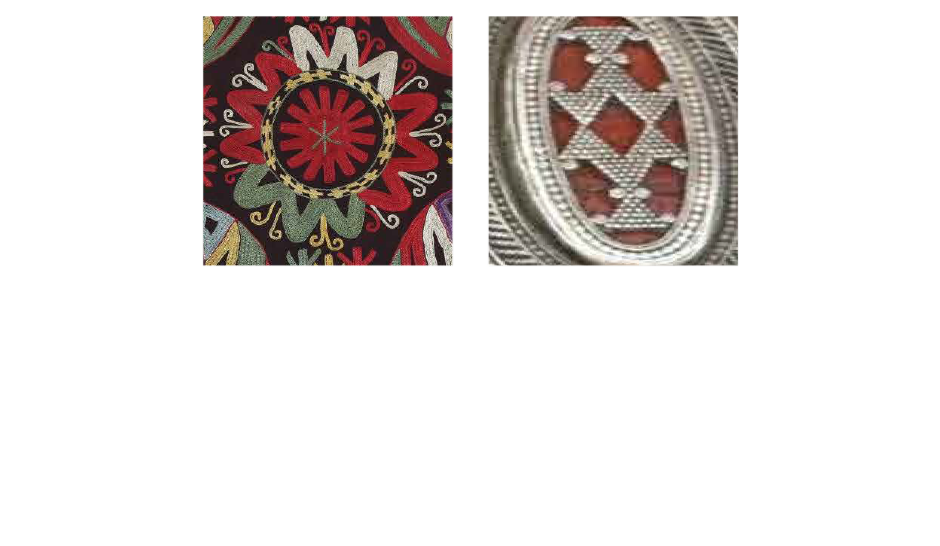
Every carpet tells a story. The motifs, patterns, and color combinations are often steeped in symbolism. In Persian carpets, you might find the Tree of Life, representing eternal life, or garden motifs symbolizing paradise. In Turkish rugs, medallions and tribal symbols often reflect regional identities and folklore. In Indian carpets, Mughal floral designs echo centuries of royal patronage and artistic exchange.
These designs are not just decorative. They serve as a visual language, passing down cultural narratives and spiritual themes. Even the layout of a carpet—whether it features a central medallion, a repeating pattern, or a prayer niche—tells something about its intended use and origin.
The Artisan’s Touch
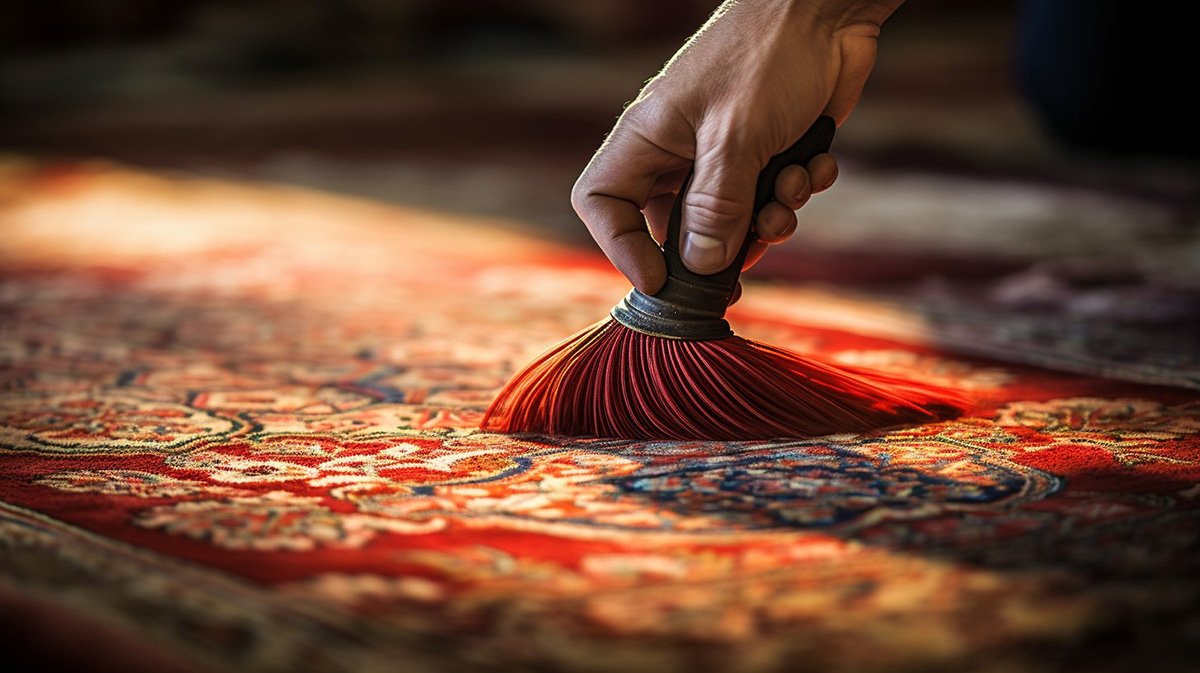
Perhaps the most extraordinary aspect of a handwoven carpet is the human touch behind it. Each piece can take months or even years to complete, depending on its size and complexity. Entire families often work together, with skills passed from one generation to the next.
In many weaving communities, the process is deeply personal. A weaver might subtly include their initials, a date, or a hidden motif in the design. These little touches add character and uniqueness, turning every carpet into a one-of-a-kind heirloom.
Modern Appreciation for Ancient Techniques
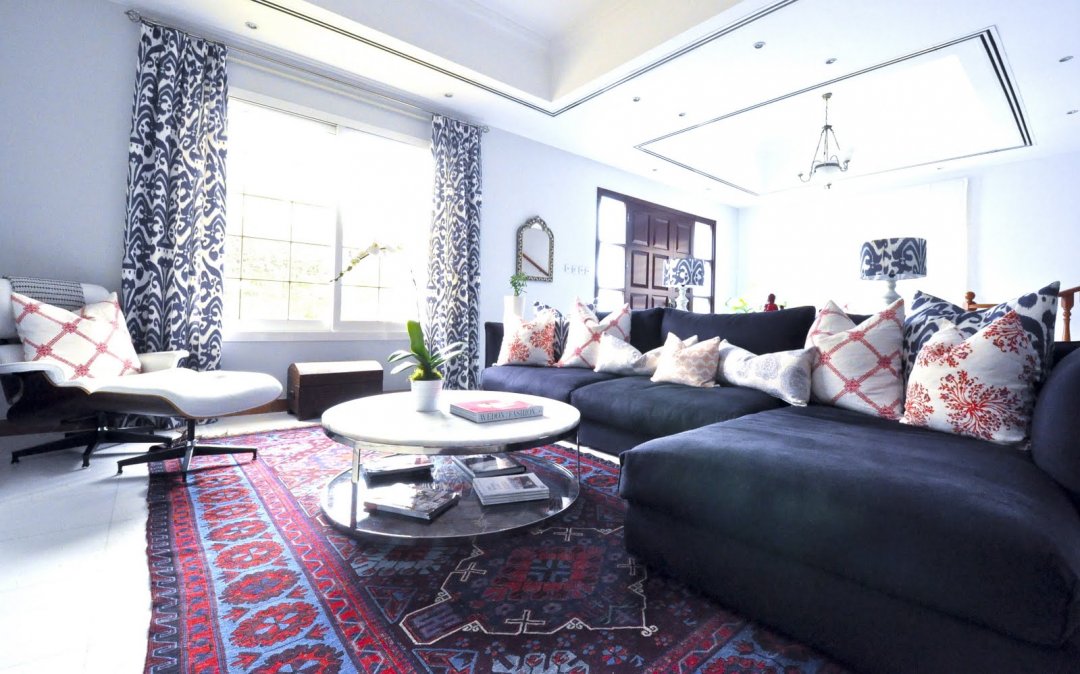
Despite modern technology and the availability of machine-made rugs, the appeal of handwoven carpets remains strong. Discerning buyers and interior designers continue to seek out these artisanal works for their authenticity, beauty, and craftsmanship.
In recent years, there has been a resurgence of interest in sustainable and ethical decor. Handwoven carpets, especially those made with natural dyes and fair trade practices, are increasingly seen as both a luxury and a responsible choice.
Conclusion
Handwoven carpets are a testament to what human hands and hearts can create. They are not just rugs, but art forms rich with history, emotion, and identity. In a world driven by speed and uniformity, these carpets remind us of the value of patience, precision, and personal expression. Whether you walk across one daily or hang it on your wall, a handwoven carpet connects you to a global legacy that celebrates tradition, artistry, and the timeless beauty of craftsmanship.