In an era of fast fashion and mass production, there’s something remarkably special about handmade carpets. More than just floor decor, these woven wonders are a marriage of art, culture, and craftsmanship—each piece representing countless hours of labor, tradition, and storytelling. While the price tag of a handmade carpet might raise eyebrows, here’s why investing in one is not just justified, but smart.
A Legacy in Every Thread
Handmade carpets are not made—they’re crafted. Each rug begins its life on a loom, with a skilled artisan knotting, weaving, and dyeing by hand. These craftspeople, often part of generational weaving families, pass down their techniques like heirlooms. When you buy a handmade carpet, you’re acquiring more than a rug; you’re inheriting a slice of cultural history.
And because each rug is made with individual attention, no two are exactly alike. You’re not just purchasing an item—you’re bringing home a one-of-a-kind piece of art.
Quality That Outlasts Trends
Mass-produced carpets may follow trends, but handmade carpets set them. Woven with superior materials like wool, silk, and cotton, these rugs are designed to last decades—often getting better with age. In fact, well-maintained handmade carpets can survive generations, developing a rich patina and becoming even more valuable over time.
Their durability also makes them more sustainable than their machine-made counterparts. Instead of replacing a synthetic rug every few years, a handmade carpet offers longevity with timeless elegance.
Intricate Craftsmanship
The beauty of handmade carpets lies in their detail. Depending on the type, size, and complexity, a single rug can take anywhere from several weeks to years to complete. Artisans follow intricate patterns, often from memory or hand-drawn templates, knotting thousands to millions of knots in the process.
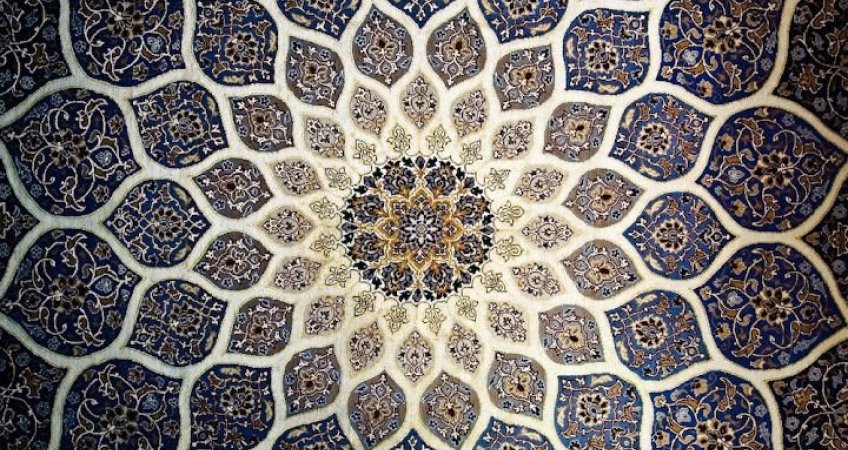
The result? Dazzling designs that can feature everything from geometric symmetry to detailed floral motifs and symbolic imagery. The complexity and precision required in the weaving process is a feat that machines simply can’t replicate with the same authenticity.
Natural Materials and Dyes
Handmade carpets typically use high-quality natural fibers and dyes, which not only enhance the rug’s longevity but also its aesthetic appeal. Natural dyes, derived from plants, roots, and minerals, offer rich hues that mature beautifully over time. Unlike synthetic dyes, they don’t fade uniformly—creating a more nuanced, character-rich appearance.
Moreover, these natural elements are eco-friendlier and safer, especially in homes with children and pets.
Cultural and Artistic Value
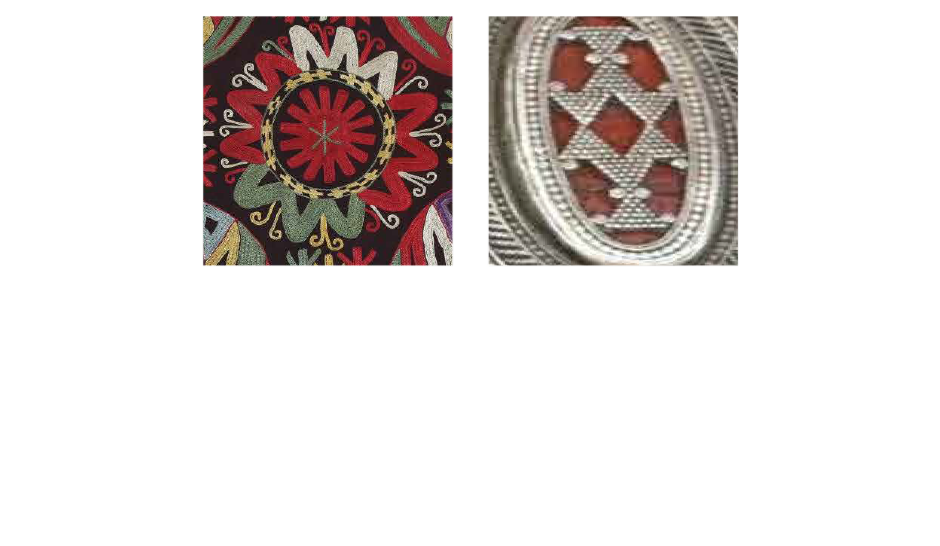
Handmade carpets often carry deep cultural significance. Whether it’s a Persian rug featuring traditional garden designs or a tribal Turkish kilim with protection symbols, each design tells a story. They are visual narratives passed down through generations, reflecting the history, beliefs, and identities of the weavers.
For art collectors and enthusiasts, handmade carpets are treasured not only for their function but for their cultural and artistic contributions. Hanging one on a wall is akin to owning a framed painting or sculpture.
Appreciating Value Over Time
Unlike mass-produced items that depreciate quickly, handmade carpets can appreciate in value—especially antique and rare pieces. Well-preserved rugs from renowned regions or famous workshops can fetch high prices at auctions and antique markets.
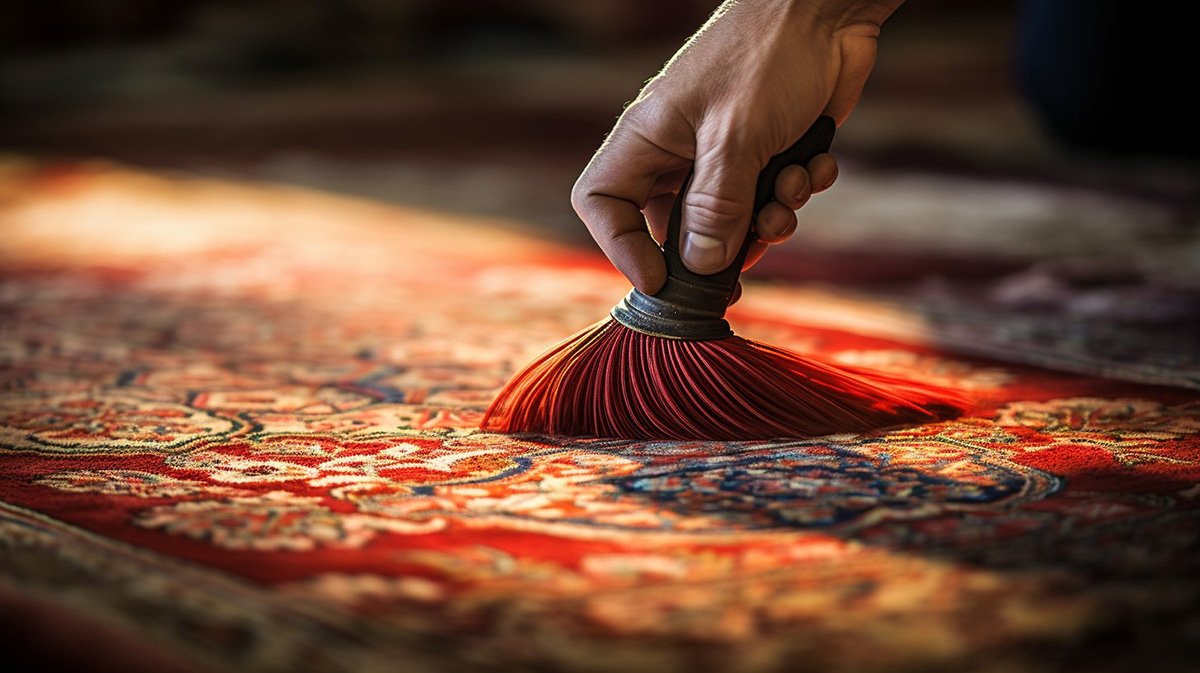
If maintained properly, your rug could become a valuable heirloom, handed down through your family or even sold at a profit years later. For many, it’s both an emotional and financial investment.
Versatility in Design
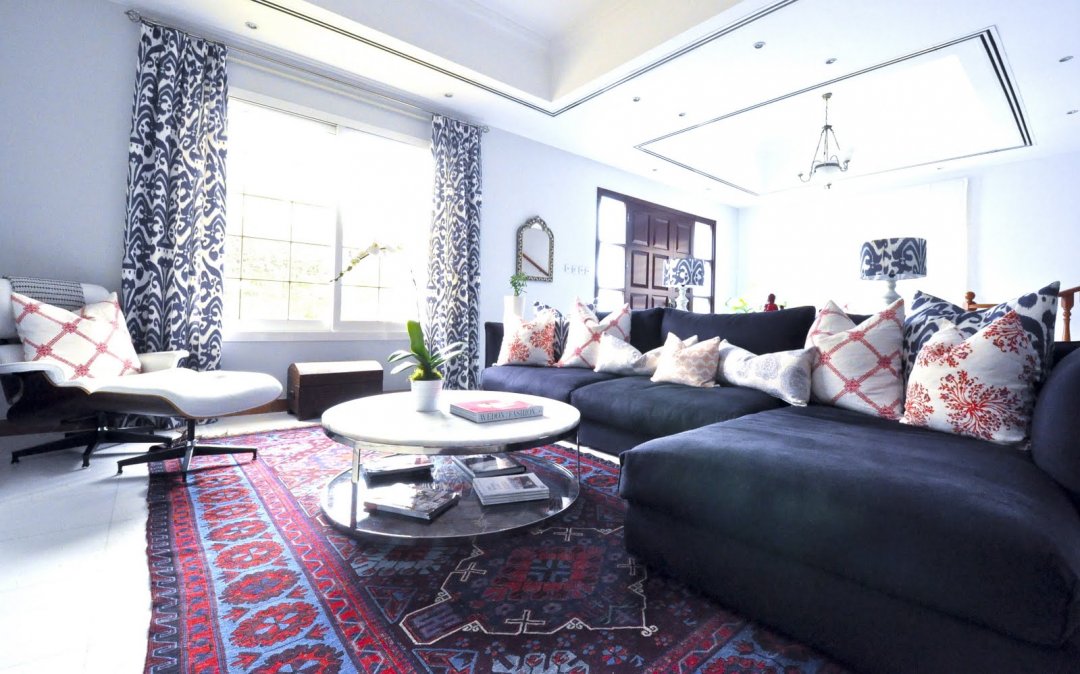
Whether your home is traditional, eclectic, or ultra-modern, a handmade carpet fits right in. With a vast range of designs, colors, and styles, these rugs can tie a room together, add warmth to minimalist spaces, or become the focal point in an otherwise neutral palette.
They’re not limited to floors either. Many people hang them as wall art, drape them over furniture, or use them as ceremonial or spiritual elements.
Supporting Artisan Communities
Buying a handmade carpet often means supporting a small weaving community rather than a faceless factory. Many cooperatives and fair-trade organizations ensure artisans receive fair compensation and work under ethical conditions.
Your purchase helps sustain these age-old crafts, ensuring that weaving traditions continue to thrive in a modern world.
Final Thoughts: More Than a Rug
Handmade carpets are more than textiles—they’re testaments to human skill, creativity, and resilience. They represent a wise investment in beauty, quality, and heritage. While they may come with a higher upfront cost, their long-term value—both aesthetic and financial—makes them worth every penny.
In a world filled with disposable design, a handmade carpet offers permanence. It grounds your space, tells a story, and invites you to walk on history—one knot at a time