Step into a mosque, a palace, or a traditional home in the Islamic world, and one thing is bound to catch your eye: the carpet. These handwoven textiles are more than just decoration—they’re cultural, spiritual, and artistic cornerstones in Islamic heritage. Rich with symbolism and deeply integrated into both sacred and domestic spaces, carpets have played an essential role in Islamic art and architecture for centuries.
A Sacred Foundation
In Islamic tradition, cleanliness and order are highly valued, especially in places of worship. Carpets in mosques serve both functional and spiritual purposes. Laid out across prayer halls, these rugs offer a clean and comfortable space for worshippers to pray—often with clearly defined rows that help maintain orderly lines during Salah (prayer).
Prayer rugs, or sajjāda, are a smaller, personal expression of this. With motifs often representing the mihrab (a niche in the mosque indicating the direction of Mecca), these rugs are a daily companion in Islamic practice, transforming any space into a temporary sanctuary.
The Carpet as a Canvas
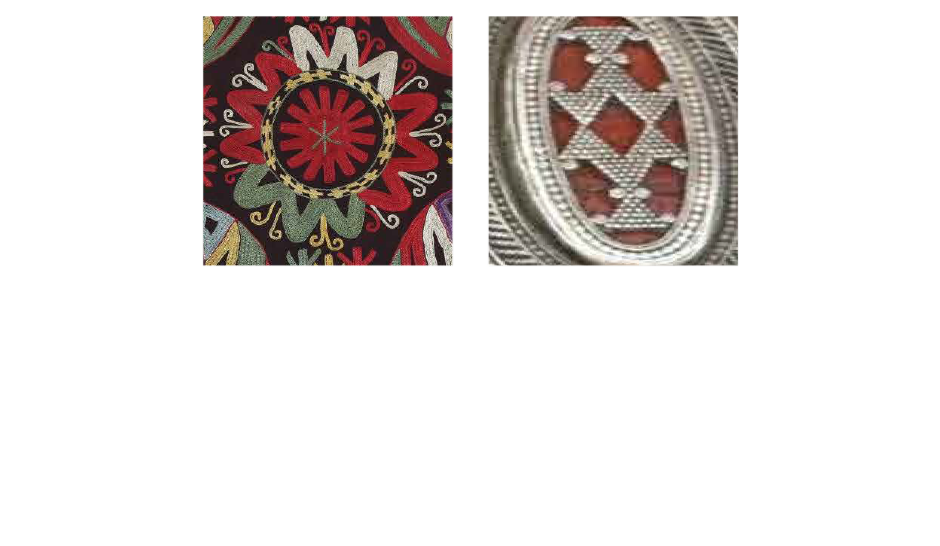
Islamic art traditionally avoids figurative representation, focusing instead on geometry, floral patterns, and calligraphy. Carpets embody this artistic philosophy beautifully. Weavers use the loom as a canvas to express complex mathematical precision and floral elegance, resulting in mesmerizing designs that balance repetition with intricate variation.
These motifs are not arbitrary. Geometric patterns reflect the order of the universe and God’s perfection, while arabesques—flowing, interlacing vines and flowers—symbolize infinite growth and divine creation. Calligraphic elements, when used, often incorporate Quranic verses, adding spiritual depth to the aesthetic.
Architectural Harmony
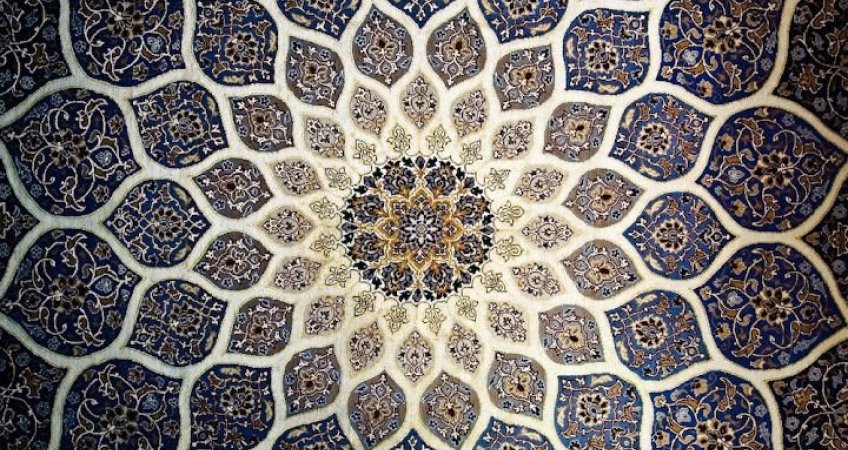
Carpets are more than accessories—they’re integral to the spatial experience of Islamic architecture. In mosques, they visually extend the architecture’s symmetry and guide the flow of space. A large carpet laid beneath a dome, for instance, can mirror the ceiling’s design, creating a sense of harmony from floor to sky.
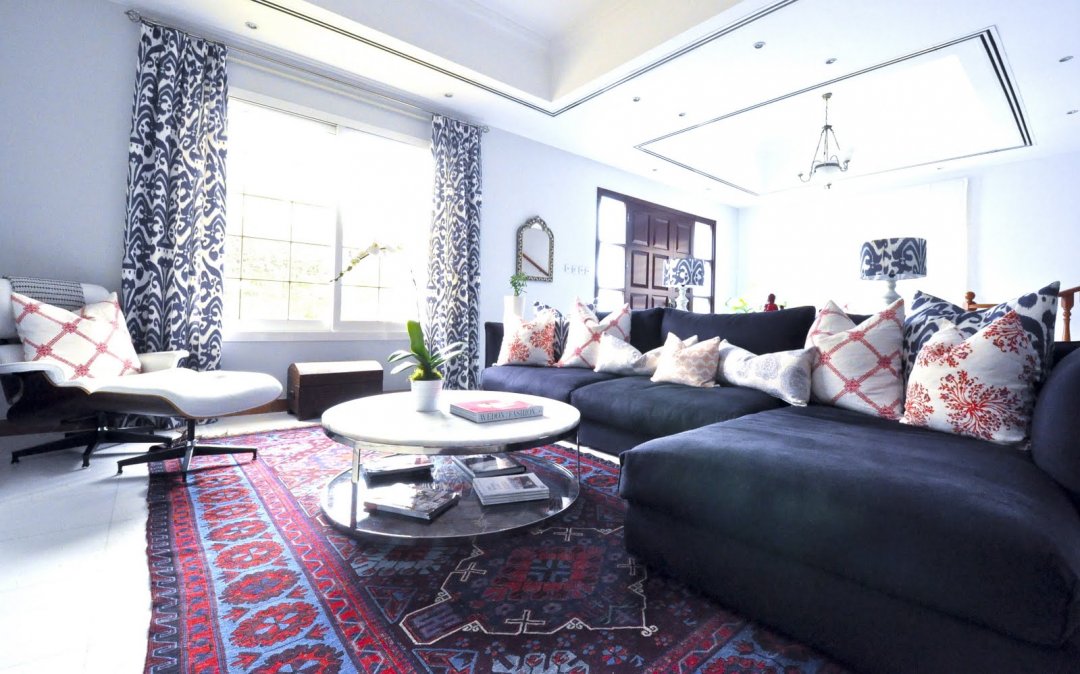
In homes and palaces, carpets define and anchor spaces. In a majlis (reception room), they set the tone for hospitality and comfort. In madrasas (religious schools), they form communal areas for study and reflection. These rugs often echo the tilework, plaster, and woodwork around them, unifying the entire design.
Regional Diversity, Shared Identity
From the intricate silk carpets of Iran to the bold tribal kilims of Anatolia and the earthy wool rugs of North Africa, Islamic carpets are incredibly diverse. Each region brings its own materials, colors, patterns, and techniques—yet all share a commitment to spiritual and artistic integrity.
Persian carpets are often celebrated for their floral complexity and high knot density, making them visual masterpieces. Turkish and Caucasian rugs embrace geometric motifs and strong symbolism, often telling stories of protection, fertility, or faith. Meanwhile, Moroccan rugs, though more abstract, convey spiritual meaning through their minimalism and earthy hues.
Despite regional differences, all Islamic carpets contribute to a collective identity—an artistic language that transcends borders and speaks to shared beliefs and aesthetics.
Spiritual Symbolism Woven In
Many carpets serve as spiritual metaphors. The central medallion often found in Persian carpets can symbolize divine unity. Borders may represent the limitations of earthly existence, while repeating motifs inside can signify the eternal cycle of life.
Even the act of weaving is considered sacred by some artisans. In certain communities, the loom itself is seen as a spiritual tool—each knot a prayer, each pattern a devotion.
Carpets as Cultural Heirlooms
Beyond mosques and museums, carpets are a part of everyday life in many Islamic societies. They’re given as wedding gifts, passed down as family heirlooms, and used in rituals marking birth, death, and everything in between. Owning a handmade carpet is often seen as a symbol of heritage, wealth, and refinement.
They also play a role in storytelling and oral traditions. Some tribal carpets encode tales, legends, or family histories into their patterns—silent storytellers beneath our feet.
Preserving a Living Tradition
Today, the role of carpets in Islamic art is evolving. While modern production techniques offer efficiency, many collectors and cultural institutions continue to champion traditional methods. Organizations and workshops are working to preserve the craft, training new generations in ancient techniques and ensuring that this cornerstone of Islamic art continues to thrive.
Whether adorning a palace floor or marking prayer space in a city apartment, Islamic carpets remain timeless—rooted in faith, shaped by art, and woven with the spirit of a thousand years.
Final Thought
To appreciate Islamic art is to walk upon it—literally. Every handmade carpet is a spiritual and cultural journey, told in threads and knots. They remind us that beauty, devotion, and design can coexist, creating not only a visual masterpiece but a living reflection of an entire worldview.