Oriental carpets are timeless design elements that bring elegance, warmth, and a sense of history into any living space. With their vibrant patterns and rich textures, these handwoven works of art can transform an ordinary room into a captivating environment. But how do you integrate such statement pieces into your home without overwhelming the space? Let’s break it down, room by room.
Living Room: The Centerpiece Effect
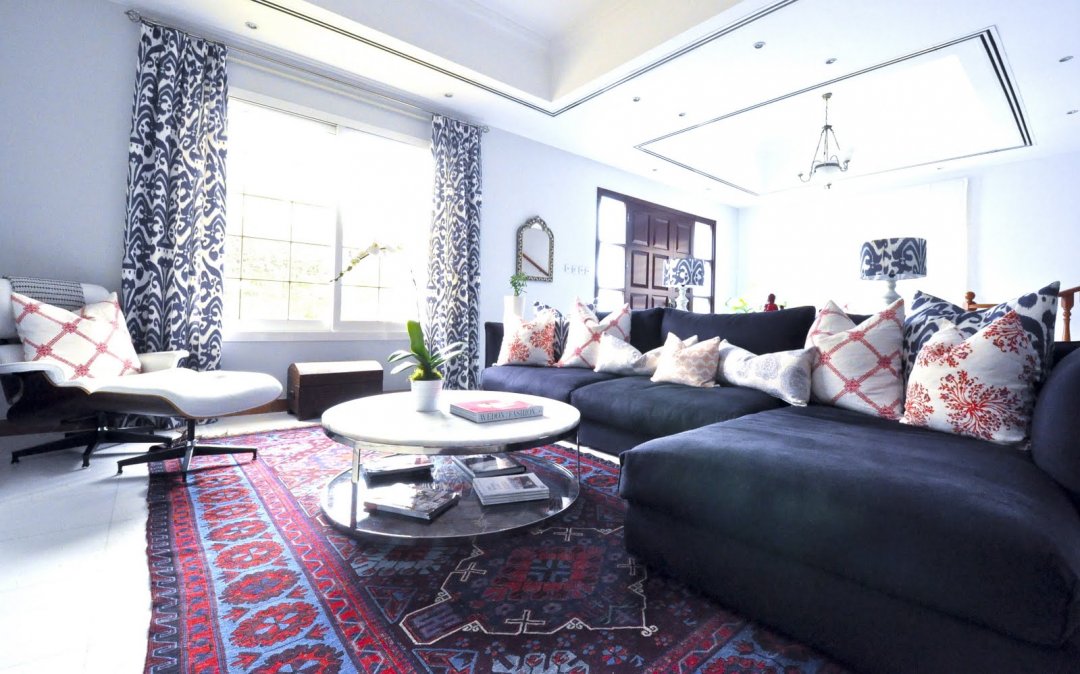
Start with the heart of your home. In the living room, an Oriental carpet can be the foundation of your entire design. Choose a large rug that accommodates your seating area—ideally, all major furniture pieces (sofa, armchairs, coffee table) should sit comfortably on it or at least have their front legs on the rug.
If your furniture is neutral, go bold with your carpet—a richly colored Persian or Turkish rug can create contrast and interest. Conversely, if your furnishings are already quite vibrant, opt for a more muted carpet with delicate patterns. Either way, let the carpet be your visual anchor.
Dining Room: Framing the Feast
In the dining room, a carpet frames the eating area and adds a touch of sophistication. Choose a rug that extends at least 24 inches beyond the table on all sides to allow chairs to be pulled out while remaining on the rug. Durability is key here, so look for tightly woven styles that can handle spills and foot traffic.
Dark-toned or busier patterned carpets can help mask inevitable dining stains. For a cohesive look, match the rug’s color tones to your dining chairs or surrounding décor.
Bedroom: Cozy Underfoot
There’s nothing quite like stepping out of bed onto a soft Oriental carpet. Whether you choose a large rug under the bed or place smaller rugs on either side, it brings comfort and character to your personal retreat.
For a calm, relaxing ambiance, choose carpets with soft, earthy tones or faded vintage designs. If your bedroom leans toward minimalism, a rug with subtle detailing can introduce texture without overwhelming the space.
Entryway: A Grand First Impression
The entryway sets the tone for your entire home. A beautiful Oriental runner or small rug can immediately convey warmth and style. Since this area sees heavy foot traffic, opt for a durable wool rug with a medium-to-low pile height.
Patterns are your friend here—darker shades and intricate designs will conceal dirt and wear while still looking refined. Bonus points if the rug hints at the color palette used throughout the rest of your home.
Kitchen: Unexpected Yet Chic
It might surprise you, but Oriental rugs work beautifully in kitchens. A runner between counters or in front of the sink adds unexpected charm and comfort underfoot. Vintage rugs with worn character are particularly fitting, offering both beauty and resilience.
Stick with wool for easy cleaning and natural stain resistance. Look for patterns that feature warm reds, oranges, or navy blues to create visual interest against typically monochromatic kitchen cabinets.
Bathroom: Small Rug, Big Impact
Yes, even bathrooms can benefit from the sophistication of an Oriental carpet. In front of a vanity or next to a freestanding tub, a small handwoven rug adds texture, luxury, and a cozy touch.
Make sure the rug is properly ventilated and not exposed to excessive moisture. Consider using a rug pad with anti-slip properties and opt for styles that dry quickly and hold up well in a damp environment.
Home Office: A Touch of Inspiration
Working from home? Give your office space a boost with a thoughtful rug choice. An Oriental carpet can help define your workspace, absorb sound, and bring a sense of calm and creativity.
For a professional yet inviting feel, consider traditional patterns in navy, burgundy, or forest green. Place your desk and chair entirely on the rug if space allows, or use a runner along one side of the room to break up hard flooring.
Layering Rugs: Advanced Style Play
Want to experiment with layers? Try placing a smaller Oriental rug on top of a larger jute or sisal rug. This approach adds dimension and helps frame your carpet as a piece of art.
Layering is also a clever way to use a smaller, treasured carpet in a large room without losing its visual impact.
Final Tips
- Balance bold patterns with simpler surroundings.
- Mind scale and proportion—oversized rugs can dwarf a room, while too-small rugs feel disconnected.
- Use rug pads to protect flooring and prevent slipping.
- Rotate rugs annually to ensure even wear.
Wrapping Up
Styling with Oriental carpets isn’t just about decorating—it’s about storytelling. Each piece carries history, craftsmanship, and meaning. Whether you’re revamping a single room or curating your entire home, these timeless textiles offer elegance and warmth that few design elements can match.
So go ahead—lay the foundation for a beautifully layered, culturally rich home that reflects your personality, one knot at a time.