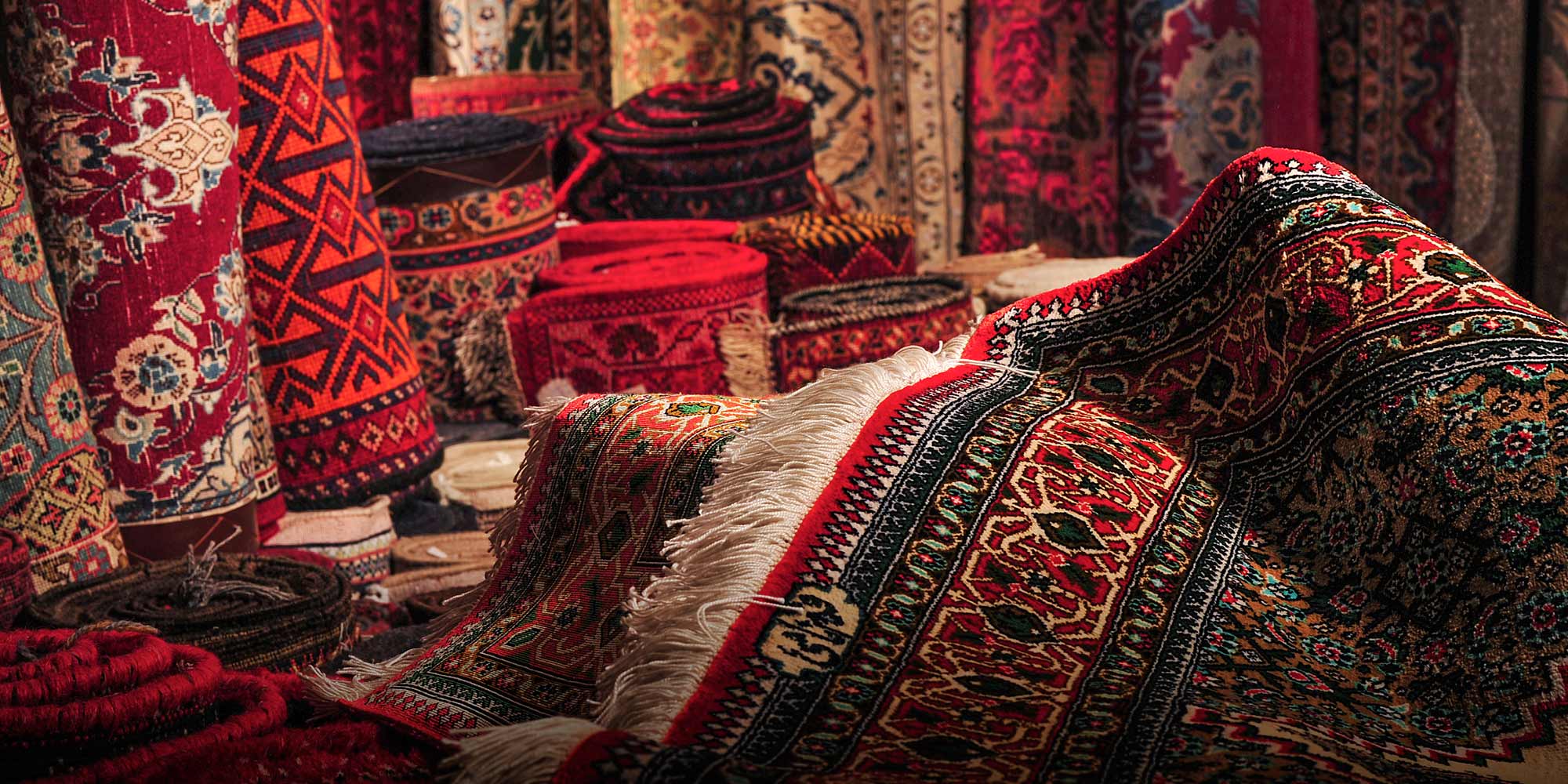
If you’ve ever found yourself in a carpet showroom or browsing online, you’ve likely encountered two titans of the rug world: Persian and Turkish carpets. Both are stunning, handwoven, and steeped in rich history—but they each bring their own charm and craftsmanship to the loom. In this guide, we’ll unravel the key differences between Persian and Turkish carpets, helping you choose the one that best suits your style, needs, and space.
A Tale of Two Traditions
Both Persian (Iranian) and Turkish (Anatolian) carpets trace their origins back thousands of years. Persian carpets have long been celebrated for their intricate artistry and fine weaving techniques, often associated with royalty and refined interiors. Turkish carpets, on the other hand, are known for their bold geometric patterns and cultural symbolism, deeply rooted in nomadic and tribal life.
Each tradition reflects the lifestyle, geography, and history of its people. Where Persian designs often channel opulence and poetry, Turkish rugs showcase symmetry, symbolism, and storytelling in every knot.
Knotting Techniques: Symmetry vs. Precision
At the technical heart of these differences lies the knot.
Persian carpets use the asymmetrical Senneh knot, allowing weavers to create highly detailed and fluid patterns. This technique enables fine curvilinear designs like florals, arabesques, and intricate medallions.
Turkish carpets, by contrast, utilize the symmetrical Ghiordes knot, which creates a sturdier and more balanced weave. The result? Durable carpets with bolder, more geometric patterns that withstand heavy foot traffic without compromising beauty.
This variance in knot type plays a big role in the look and longevity of the rug, as well as its price and value over time.
Design & Patterns: Artistic Flair vs. Tribal Geometry
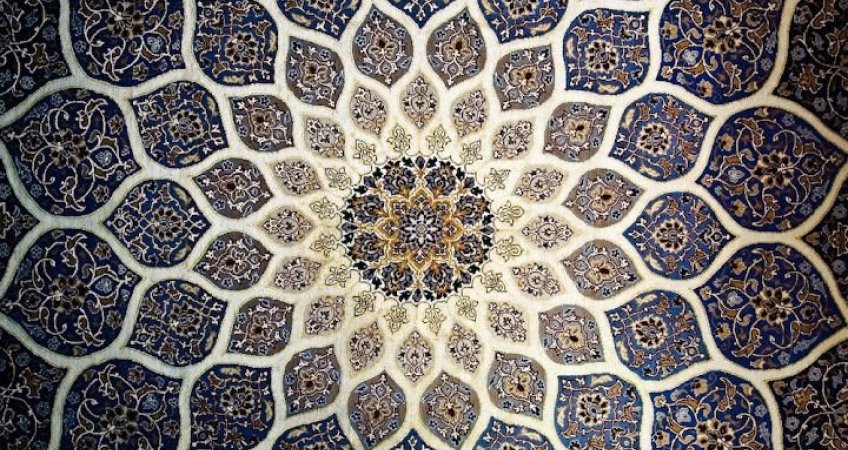
Persian carpets are known for their elaborate and ornate designs. Expect to see central medallions, garden motifs, animal forms, and floral arrangements. Many designs carry spiritual or poetic symbolism—a visual nod to Persian literature, mythology, and philosophy.
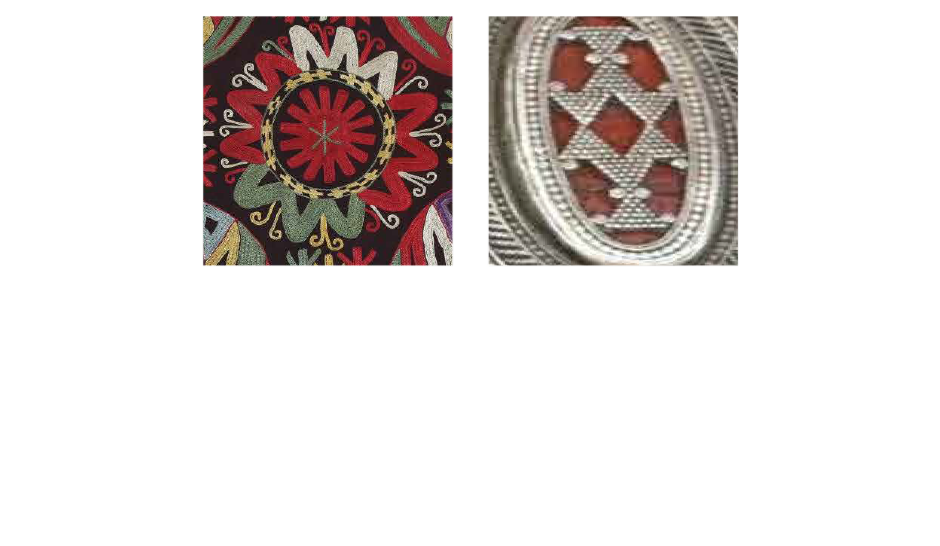
Turkish carpets tend to be more symmetrical, relying on repetitive geometric patterns, tribal symbols, and strong borders. Common motifs include stars, diamonds, and motifs representing protection or fertility. Each symbol tells a story, reflecting the weaver’s heritage and sometimes personal beliefs.
While Persian designs lean toward the romantic and artistic, Turkish rugs carry a sense of narrative and cultural storytelling.
Color Palettes: Sophisticated vs. Vibrant
Persian carpets generally favor a more refined, subdued color palette. You’ll often find deep reds, navy blues, creams, and earthy tones created with natural dyes like madder root, indigo, and pomegranate rind. These colors age gracefully, developing a beautiful patina over time.
Turkish carpets embrace more vibrant and contrasting colors. Expect fiery reds, bold oranges, and bright blues that pop in any space. This vividness reflects the Anatolian landscape and the strong visual culture of the nomadic tribes.
Materials and Texture
Persian carpets often use high-quality wool and silk, resulting in a fine, smooth texture and a luxurious finish. Silk Persian rugs, in particular, are considered high-end collectibles.
Turkish carpets usually employ wool or a wool-cotton blend, making them more robust and ideal for areas with heavy footfall. Their coarser texture can feel more grounded and rustic, perfect for bohemian or traditional home decor.
Price and Investment
Both Persian and Turkish carpets are investment pieces, but Persian rugs typically command higher prices, especially older or silk ones. Their high knot count and intricate detailing contribute to their value, making them prized by collectors and interior designers alike.
Turkish carpets are more accessible in price, particularly the tribal and kilim varieties. However, antique Turkish rugs can also be valuable, especially those with unique symbols or provenance.
How to Choose: Matching Rug to Room
Choose a Persian carpet if:
- You love elegant, detailed artistry.
- Your space has a classic, luxurious, or formal aesthetic.
- You want a statement piece with fine craftsmanship.
Choose a Turkish carpet if:
- You prefer bold, symmetrical patterns.
- Your style leans rustic, bohemian, or eclectic.
- You need a durable rug for high-traffic areas.
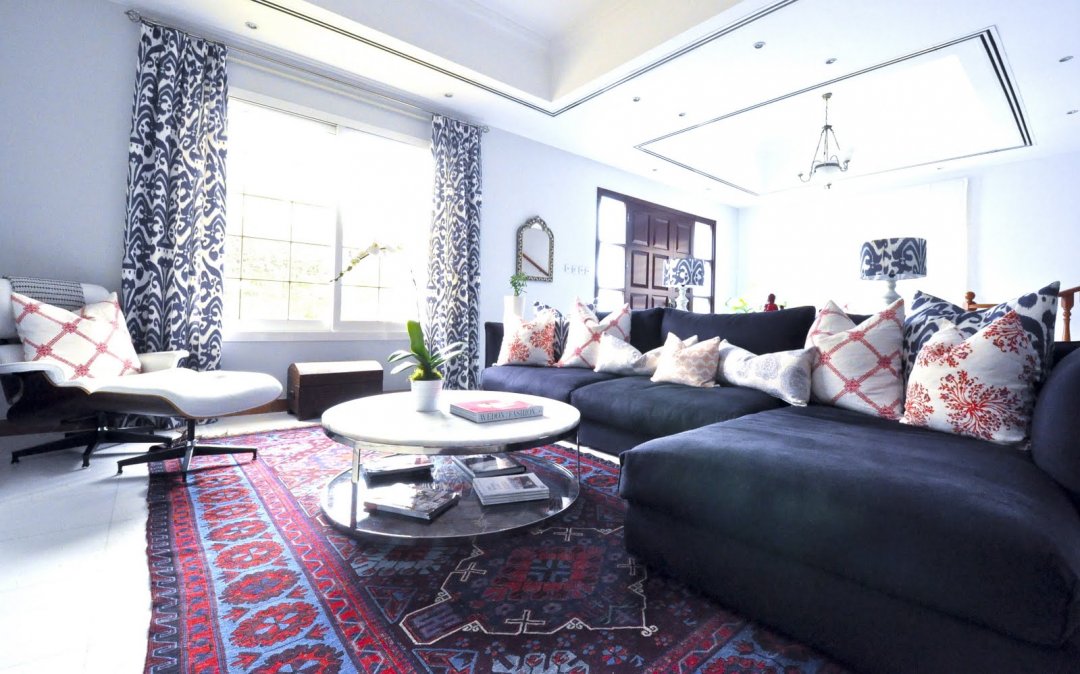
Always consider where the carpet will go. Living rooms, dining areas, and bedrooms can all benefit from the warmth and character of either style—but the function should guide your final decision.
Conclusion: The Best of Both Worlds
Ultimately, there’s no winner in the Persian vs. Turkish debate—only what works best for your personal taste and lifestyle. Both types of carpets represent incredible craftsmanship, cultural richness, and artistic expression. Whether you’re drawn to the elegance of Persian florals or the boldness of Turkish geometrics, choosing an oriental carpet is about embracing history underfoot. Let your space be the canvas, and let these timeless rugs tell their tale.